Winter in Japan: Snow, Culture, and Seasonal Experiences for Every Traveller

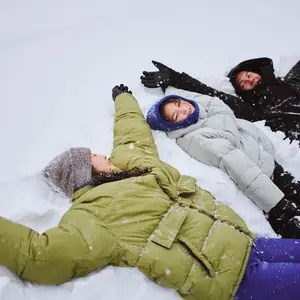
Family playing in snow.

Discover the Magic of Winter in Japan

Japan undergoes a total transformation when the first snow falls. Towns that were once green and lush become silent, frosty sanctuaries. For travellers from Australia and New Zealand, a winter in Japan offers a refreshing change from the scorching heat of a southern hemisphere summer. You get to swap the beach for steaming bowls of regional ramen and traditional festivals that have been celebrated for centuries.

While many people visit for the world-famous powder, the season offers so much more than just a trip to the slopes. You can walk through ancient villages with thatched roofs piled high with snow or watch wild macaques warm up in natural springs. We’ve designed our Club Med resorts in Japan to be your home base for these adventures. We handle the meals, the transport, and the activities so you can focus on the beauty of the Japanese winter. 

Key Takeaways

  • Plan your winter in Japan around February if you want to see the most famous snow festivals and the deepest snow.
  • Japan in winter is the perfect time to visit an onsen as the contrast between the cold air and hot water is a core cultural experience.
  • Choosing an all-inclusive stay helps you manage your budget and avoids the stress of navigating snowy roads or finding restaurants in a foreign language.

1 - Snow Landscapes and Winter Nature Experiences

Family looking across the river in snowy town.

Snow-Covered Villages and Scenic Landscapes

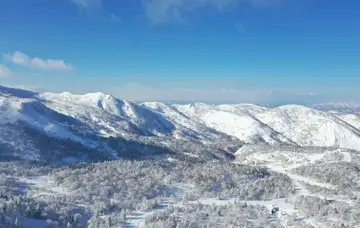
Some of the best views of Japan in winter are found in small mountain towns. Places like Shirakawa-go in Gifu or the canal city of Otaru in Hokkaido look like scenes from a storybook. In these areas, the traditional wooden architecture is built specifically to withstand heavy snow. You’ll see unique "gassho-zukuri" farmhouses that have steep roofs shaped like hands in prayer. These villages offer a glimpse into a way of life that hasn't changed much in hundreds of years. 

Kid on a sled.

Snow Play and Outdoor Winter Activities

You don't need to be a pro athlete to enjoy the snow. Many families visit for snowshoeing through quiet birch forests or taking the kids sledding in dedicated snow parks. Ice skating is also popular in city centres like Sapporo. These activities are low-impact and allow you to enjoy the fresh mountain air without the vertical drops of a black diamond run. It's a great way to build confidence on the ice while staying active. 

Snow monkeys on hot springs.

Wildlife and Natural Winter Wonders

Wildlife encounters are a highlight of the Japanese winter. The most iconic sight is the "Snow Monkeys" at Jigokudani. These macaques spend their days soaking in hot volcanic pools to stay warm. Further north in Hokkaido, you might see red-crowned cranes dancing in the snow. If you head to the coast of Abashiri, you can even board an icebreaker ship to see massive sheets of drift ice floating down from Russia. 

Woman looking at the snow through the window.

Experiencing Snow with Club Med Japan

We make it easy to get out into the elements. Our resorts offer guided nature walks and snow trekking tours led by experts who know the local terrain. You won't have to worry about getting lost or having the wrong gear. We provide a safe environment for all ages to play in the powder right outside the resort doors. 

2 - Japanese Winter Culture, Food, and Festivals

ClubMed resort at night from above.

Seasonal Festivals and Illuminations

Festivals are the heart of the season. The Sapporo Snow Festival is a massive event where artists carve giant sculptures out of ice and snow. Across the country, you'll also find "Winter Illuminations." These are massive light displays that turn parks and city streets into glowing wonderlands. They usually start in late November and run through the coldest months to brighten up the shorter days

Women in onsen.

Hot Springs and Traditional Onsen Experiences

An onsen visit is a mandatory part of any winter in Japan. The minerals in the volcanic water are great for your skin and muscles. There is something special about sitting in an outdoor pool while snowflakes melt on your shoulders. It's a deeply quiet and respectful experience that helps you slow down and appreciate the natural surroundings. 

Food being prepared at the table.

Winter Cuisine and Comfort Food

Food is how the locals stay warm. You should look for "Nabe," which is a communal hot pot filled with fresh vegetables, seafood, and meat. Each region has its own version. In Hokkaido, you'll find Ishikari Nabe, which uses fresh salmon and miso. Ramen also tastes better when there is a frost on the window. Plus, winter is the best time for street food like "Yaki-imo" (roasted sweet potatoes) which you can buy from trucks that drive through the snowy streets. 

Japanese traditional lanters.

Cultural Experiences for Families and Couples

Even when it's cold, there are plenty of indoor ways to connect with the culture. You can join a tea ceremony workshop or try your hand at traditional crafts like Ainu wood carving. Local morning markets stay busy during winter. They’re great places to grab a hot coffee and see the local catch of the day. 

3 - Planning a Winter Trip to Japan

Couple looking at the snowy landscape.

When Winter Starts and What Weather to Expect

The season generally runs from December through March. In Hokkaido, the temperatures can drop to -10°C or lower. In Honshu cities like Tokyo or Kyoto, it stays a bit milder but still requires a heavy coat. The air is often very dry, so stay hydrated and use plenty of moisturiser. 

Family at the snow with winter clothes.

What to Pack and How to Prepare

The "three-layer rule" is your best friend. Start with a thermal base layer, add a fleece or wool middle layer, and finish with a waterproof and windproof outer shell. Good footwear is vital. You need boots with a strong grip because the pavements can get very icy and slippery. If you’re travelling with children, pack extra gloves and socks as they’ll likely spend a lot of time sitting in the snow. 

People walking in snow with equipments.

Getting Around Japan in Winter

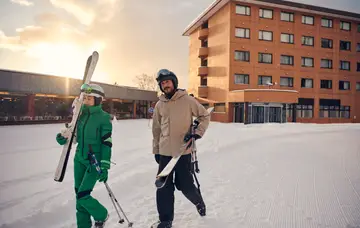
The trains in Japan are incredibly reliable even in heavy snow. However, driving yourself can be tricky if you aren't used to black ice. We recommend using the "Takkyubin" luggage delivery service. You can send your heavy bags from the airport directly to your resort for a small fee. This leaves you free to navigate the train stations with just a small backpack. 

Couple enjoying bar at ClubMed.

Why All-Inclusive Winter Holidays Make Sense

A winter trip has a lot of moving parts. By staying with us, you don't have to worry about finding a table for dinner in a crowded ski town or booking separate lessons and lift passes. We provide the accommodation, all your meals, an open bar, and entertainment in one place. It makes the holiday much easier to manage for families and groups who want a stress-free break. 

4 - Experience Japanese Winter with Club Med

ClubMed resort from above.

Discover Winter in Japan with Club Med

The Japanese winter is a season of contrasts. You get the thrill of the cold outdoors followed by the warmth of a steaming hot pot or a natural spring. From the bright lights of the snow festivals to the quiet beauty of a forest walk, there is something for every kind of traveller. 

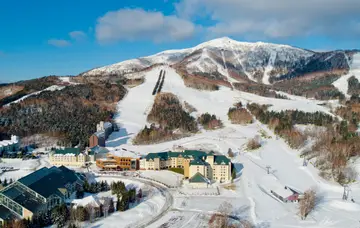
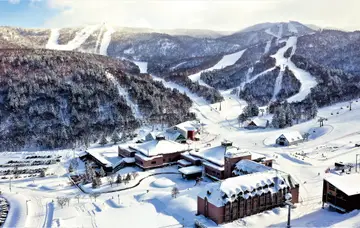
Our resorts in Hokkaido serve as the perfect base. We combine the local traditions of Japan with the international standard of all-inclusive comfort. You get the authentic experience without the logistical headaches. 

Explore winter in Japan with Club Med, where snow-filled days, cultural discovery, and all-inclusive comfort come together in one unforgettable escape. 

Explore our Resorts In Japan

See all resorts

Frequently Asked Questions

Discover more about Club Med

Our most popular resorts